
Condition
Achilles Tendonitis
Common Symptoms of Achilles Tendonitis
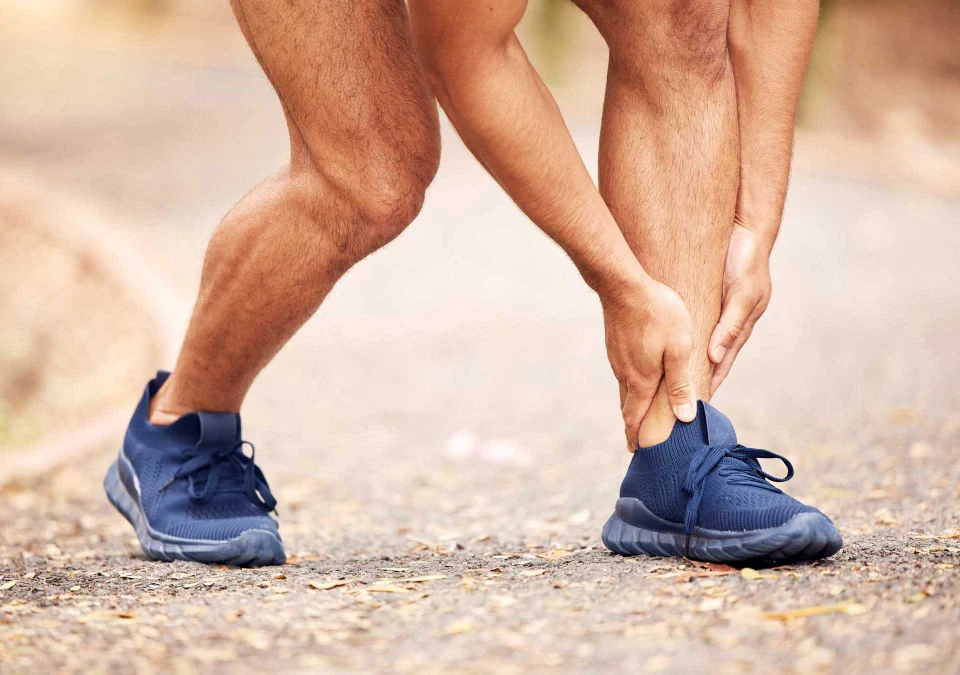
Achilles tendinitis is an overuse injury of the Achilles tendon — the band of tissue connecting the calf muscles to the heel bone. It’s common in runners, athletes, or anyone who suddenly increases their activity levels. Symptoms typically include:
- Pain and stiffness in the back of the heel – Especially noticeable in the morning or after periods of rest.
- Pain during or after activity – Discomfort that worsens with walking, running, or climbing stairs.
- Tenderness to touch – Sensitivity when pressing on the tendon or the area just above the heel.
- Swelling or thickening – The tendon may appear swollen or feel thicker than the opposite side.
- Warmth and redness – The area around the tendon may feel warm or irritated in more inflamed cases.
- Reduced strength or flexibility – Difficulty pushing off the foot or standing on tiptoe.
How Physiotherapy Can Help
Physiotherapy is one of the most effective non-surgical treatments for Achilles tendinitis. A physiotherapist will assess your condition and create a personalised plan to support healing and prevent recurrence, which may include:
- Manual Therapy – Soft tissue massage and mobilisations to reduce tension in the calf muscles and improve mobility around the ankle and foot.
- Shockwave Therapy - Promotes the body's natural healing process. Usually within 4 to 6 sessions (depending on how long you’ve had the issue) you’ll have a full recovery.
- Eccentric Strengthening Exercises – A proven approach involving slow, controlled loading of the tendon to promote healing and tendon resilience.
- Stretching and Flexibility Work – Targeted stretches for the calf and surrounding structures to improve range of motion and reduce strain on the tendon.
- Activity Modification – Guidance on how to reduce or adapt physical activity levels to allow healing while staying mobile.
- Gait and Biomechanical Assessment – Analysis of your walking or running pattern to identify and correct any contributing factors.
- Footwear and Orthotic Advice – Recommendations on supportive shoes or insoles that reduce stress on the Achilles tendon.
- Education and Prevention – Tips on proper warm-ups, training load progression, and self-management strategies to prevent recurrence.
By improving tendon strength, mobility, and overall lower limb biomechanics, physiotherapy can help resolve symptoms of Achilles tendinitis and support a safe return to your normal activities.