Condition
Muscle Injuries & Tears
Common Symptoms of Muscle Injuries & Tears
A muscle tear, also known as a muscle strain, occurs when muscle fibers are overstretched or torn, often due to sudden or excessive force. Symptoms can vary depending on the severity of the tear but typically include:
- Pain – Sharp, localized pain at the site of the tear, which may worsen with movement or touch.
- Swelling and bruising – Inflammation and discoloration around the affected muscle, especially in more severe tears.
- Muscle weakness – Difficulty using the muscle for regular activities, such as walking, lifting, or running, due to loss of strength.
- Limited range of motion – Stiffness or tightness that restricts the ability to move the affected muscle fully.
- Muscle spasms – Involuntary contractions of the muscle, often occurring in the early stages of a tear.
- Pain with activity – The muscle may hurt when trying to stretch or use it, such as when lifting objects or exercising.
- Tenderness – Pain when pressing on or around the affected muscle, especially in more severe tears.
How Physiotherapy Can Help
Physiotherapy is crucial in the management of muscle tears, helping to reduce pain, speed up healing, and restore full function. A physiotherapist will assess the severity of the tear and develop a tailored rehabilitation plan, which may include:
- Rest and Ice Therapy – Initial treatment often involves rest, ice application, and elevation to reduce inflammation and swelling in the early stages of recovery.
- Manual Therapy – Soft tissue massage and stretching techniques to alleviate tightness, reduce muscle spasms, and promote blood flow to the injured area.
- Progressive Strengthening Exercises – Targeted exercises to gradually rebuild strength in the affected muscle, starting with gentle movements and advancing to more intense exercises as the muscle heals.
- Stretching and Mobility Exercises – To restore flexibility and range of motion to the muscle and surrounding tissues, preventing stiffness and reducing the risk of re-injury.
- Muscle Activation and Neuromuscular Re-education – Techniques designed to re-establish proper muscle function and firing patterns to restore normal movement.
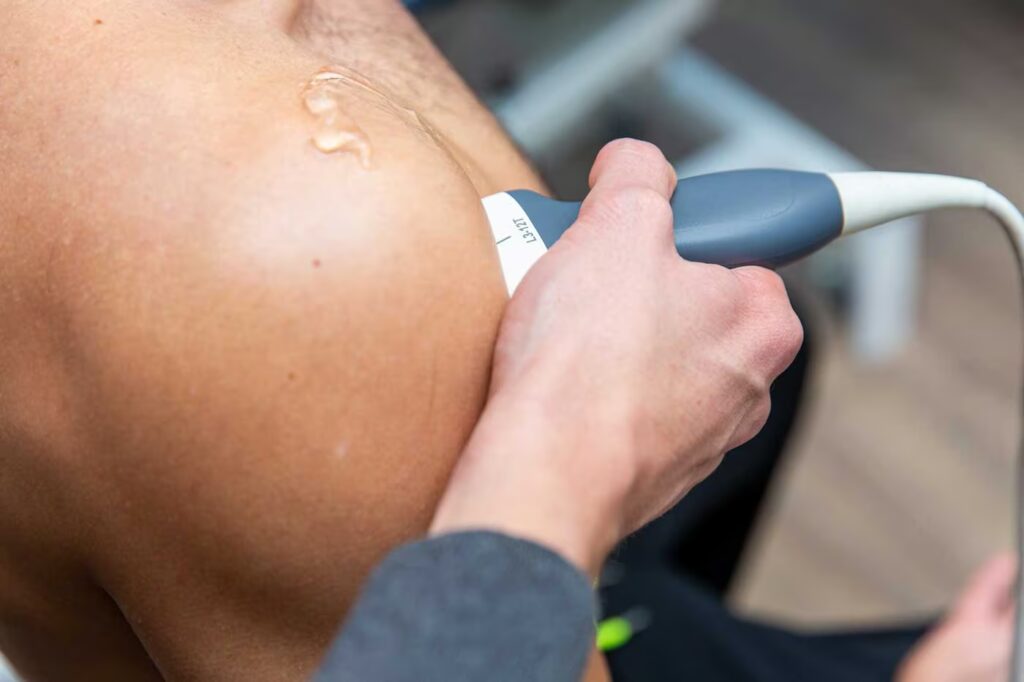
- Therapeutic Ultrasound or Electrical Stimulation – Modalities that can promote healing, reduce swelling, and increase circulation to the injured area.
- Posture and Movement Education – Teaching you how to modify your movement patterns to reduce stress on the injured muscle during daily activities and prevent further strain.
- Gradual Return to Activity – A structured approach to returning to your normal activities or sport, ensuring that you don’t overexert the healing muscle and reduce the risk of reinjury.
- Education on Injury Prevention – Recommendations for warm-up routines, proper technique, and strengthening exercises to prevent future muscle injuries.
By addressing both the immediate symptoms and the underlying causes of the muscle tear, physiotherapy helps to promote faster recovery, reduce pain, and ensure a safe return to your normal activities.