Condition
Post-Op
Common Post-Op Related Symptoms
Post-operative pain and recovery symptoms vary depending on the type of surgery performed, but common symptoms during the initial healing phase include:
- Pain and discomfort – Typically around the surgical site, which can range from mild to severe, especially after activity or exercise.
- Swelling and bruising – Often present in the first few days or weeks following surgery.
- Stiffness or reduced mobility – Difficulty moving the affected area or joint due to healing, inflammation, or muscle weakness.
- Fatigue – Feeling tired or fatigued as the body expends energy on healing and adjusting to the post-op recovery phase.
- Limited strength – Weakness in the muscles surrounding the surgical site, making it difficult to perform normal movements.
- Scar tissue formation – Can lead to tightness or discomfort as the body heals and collagen forms at the site of the incision.
- Changes in function – Depending on the surgery, there may be a temporary or permanent reduction in mobility or strength that needs to be addressed during recovery.
How Physiotherapy Can Help
Physiotherapy plays a critical role in post-operative recovery, helping to reduce pain, restore function, improve strength, and guide you through the rehabilitation process. A physiotherapist will work closely with you and your surgical team to create a personalised treatment plan, which may include:
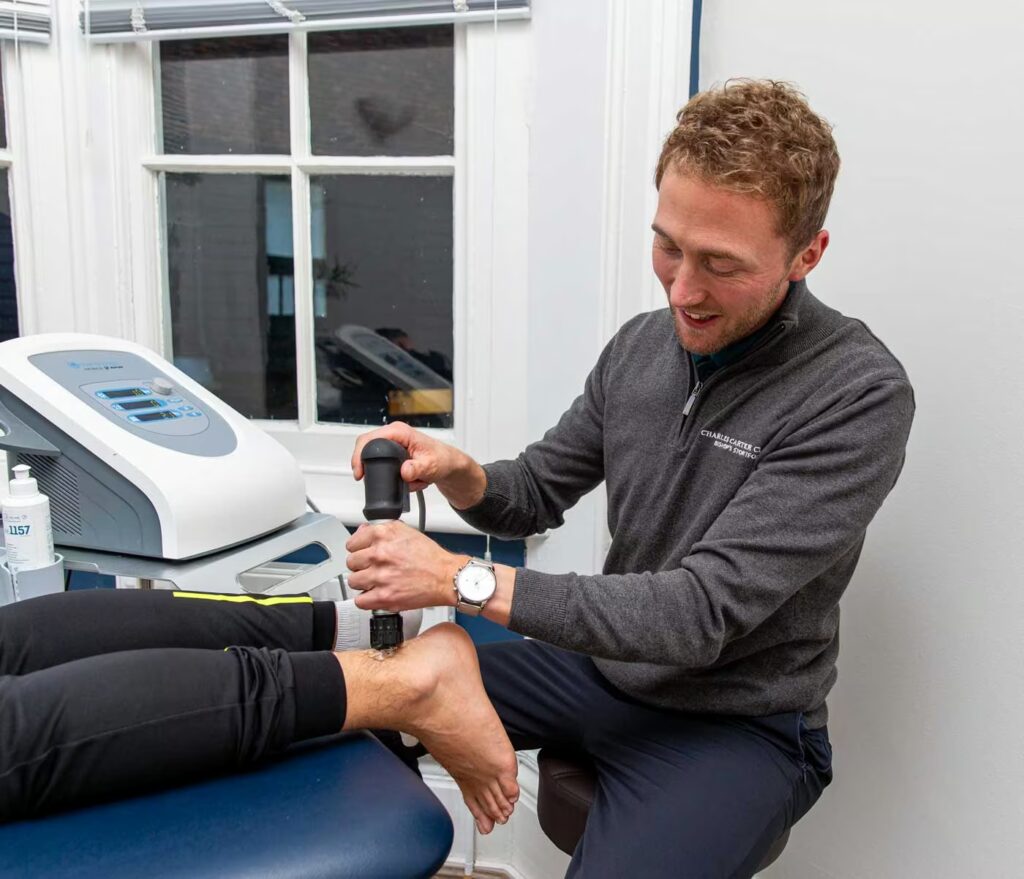
- Pain Management Techniques – Modalities such as heat, cold therapy, electrotherapy, or ultrasound to help control pain and reduce swelling.
- Gentle Mobilisation and Range of Motion Exercises – Early-stage exercises to maintain or improve joint mobility and prevent stiffness while protecting the healing area.
- Strengthening Exercises – Focused rehabilitation exercises to rebuild strength in the muscles and tissues that may have weakened during the healing process.
- Scar Tissue Management – Soft tissue techniques, massage, or stretches to help reduce scar tissue build-up, improve skin mobility, and decrease tightness around the incision site.
- Posture and Alignment Education – Guidance on body mechanics and how to move correctly during recovery to avoid unnecessary strain on the surgical site.
- Functional Training – Exercises designed to restore your ability to perform everyday tasks and activities, gradually returning to normal function.
- Balance and Coordination Training – Targeted exercises to improve stability and coordination, particularly if the surgery affects weight-bearing or balance.
- Activity Modification and Progression – Helping you return to normal activities gradually, with appropriate modifications to prevent overloading the surgical site.
- Education on Recovery Expectations – Setting realistic expectations for recovery, including timelines, potential setbacks, and tips for managing symptoms while healing.
By supporting your body through the healing process and improving movement patterns, physiotherapy can significantly speed up recovery, improve outcomes, and help prevent complications following surgery.